If your refrigerator is not cooling after evaporator fan replacement, check the temperature pattern before replacing another part. A quieter fan can coexist with frozen bottom drawers and warm upper shelves; the refrigerator may cool while the freezer stays warm; or cooling may return and fail again. Measure both compartments, keep accessible vents clear, and ask the installer to check the replacement and its installation against the symptom that remains.
Keep refrigerated food at 40°F or below, using an appliance thermometer rather than the temperature selected on the display. Move perishables to reliable cold storage while the refrigerator is too warm. A completed repair visit does not establish that the food is safe.
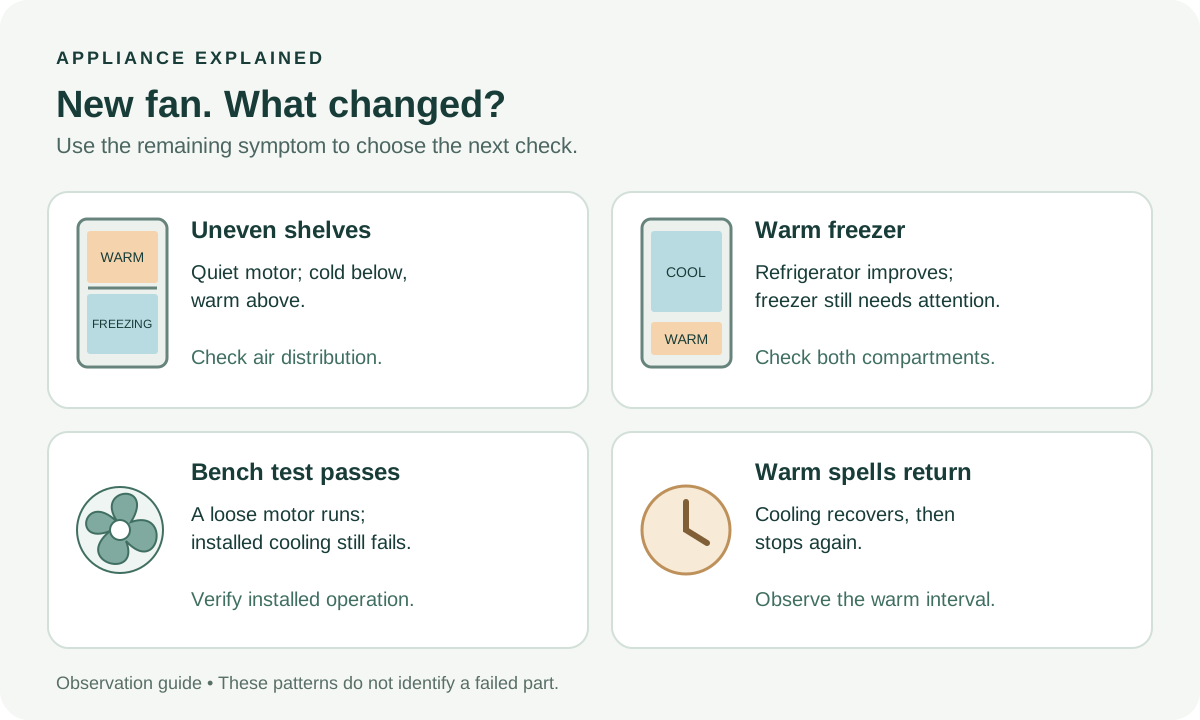
Quiet fan, frozen drawers, warm upper shelves
On a Frigidaire FRS26ZSEB1, replacing a noisy evaporator fan made the refrigerator quiet. A different problem then stood out: the bottom drawers froze their contents while an orange-juice bottle near the top measured about 48°F. Turning both compartment controls warmer did not resolve that split.
The accessible lower air slider still moved, and no obvious ice was seen around the fan. Attention then shifted to a deformed plastic piece at another air opening. That piece was only a suspected cause; there was no confirmed repair outcome.
The distinction matters. This was not simply a refrigerator that needed a colder setting, and the quiet fan did not establish that cold air was reaching the shelves evenly. A reasonable next check is the air distribution and reassembly around the repaired area, rather than another blanket adjustment of both controls. The temperature split supports that check; it does not identify the plastic piece as defective.
Record readings near the affected upper and lower storage areas. Clear food away from accessible vents, but leave internal covers and ductwork for the installer to inspect. Mention if this unevenness appeared only after the fan work.
Refrigerator cooling returns, but the freezer stays warm
A KitchenAid KRFF507ESS01 had ice forming around the upper compartment's evaporator. After a fan-and-harness replacement, the refrigerator compartment cooled again, but the freezer was warm. The replacement fan ran while frost appeared again around wiring and tubing.
The first photograph of that condition was taken about 12 hours after installation. The pattern looked similar a day later. The next step was to ask about warranty service; neither a refrigerant leak nor a successful final repair was confirmed.
Keep both halves of that result. “The new fan works” leaves out the warm freezer. “The refrigerator is still broken” leaves out the improvement in the upper compartment.
This pattern warrants checking the still-warm compartment and the returning frost before assuming another fan will solve it. It does not justify diagnosing a leak from a photograph. If the frost is already visible without dismantling the appliance, photograph its location and record when it appeared after the repair. Do not reopen the evaporator compartment just to obtain a picture.
The 12-hour observation belongs to this particular repair. It is not a universal deadline for cooling recovery.
A fan passes a bench test but fails in the appliance
In one Haier repair, a replacement evaporator fan and a replacement main control had not resolved the problem. The fan ran during a bench test, and its feedback reading appeared to be within specification. A later change to a genuine replacement motor was followed by reported normal operation.
The exact model and the underlying electrical cause were not established for that repair. It would be too much to conclude that every substitute motor is unsuitable, or that every similar cooling problem needs an original-equipment fan.
What the sequence does show is narrower: a successful bench test had not established successful operation in the refrigerator. Before another control board is ordered, ask the repairer to verify the installed motor's correct application and operation in the appliance. Keep the old and new part numbers from the invoice or packaging available for that comparison.
This is a technician's check. Do not apply power to a loose motor, probe live connectors or bypass a door switch to reproduce it yourself.
Cooling returns, then a long warm spell repeats
One built-in refrigerator improved after its freezer evaporator fan was replaced. It could reach roughly 0°F in the freezer and 37°F in the refrigerator, yet later entered a recurring quiet period. During those warm spells, the freezer rose to about 12–15°F and the refrigerator to 45–48°F.
The quiet periods tended to begin late in the afternoon and last into the evening. A service-mode reset could restart operation, but no final cause or lasting repair was confirmed.
That history suggests a different question from “How long should a new fan take to cool the fridge?” Cooling had already returned before being lost again. The unresolved issue was the recurring interruption. A restart showed that operation could resume; it did not explain why it stopped.
If yours behaves this way, note the temperatures and whether normal running sounds disappear during the warm period. Give that pattern to the repairer. Avoid repeatedly entering service modes or using resets as a substitute for diagnosis. Normal defrost pauses exist, but a recurring warm-food problem cannot be settled simply by calling the silence defrost.
Choose the callback question that matches the result
| What remains after fan replacement | Ask the installer to establish |
|---|---|
| Bottom drawers freeze while upper shelves stay warm | Whether air distribution and the reassembled fan area are correct |
| Refrigerator cooling returns but the freezer remains warm | Why the other compartment is still warm and whether returning frost needs investigation |
| The motor passed a test outside the appliance | Whether the correct replacement operates properly when installed |
| Cooling recovers and then repeatedly stops | What is happening during the warm interval, rather than only during a successful restart |
Recovery time depends on the appliance and the work performed. Use the instructions for your exact model, and protect the food throughout that interval. If a fan warning cleared but temperatures never recovered, the LG fan-warning checks explain that separate outcome.
For a callback, choose the row that describes the unfinished repair and give the installer that specific result. “The fan was changed” tells them what was fitted. “The bottom drawers now freeze while the upper shelf stays warm” tells them what still needs to be resolved.